Celebrating more than 100 years of learning
On this page
1920s–1930s: Growth and beginnings
Learning reaches every home.
From supporting 25 'lighthouse children' to thousands of ākonga, Te Kura started small and grew fast.
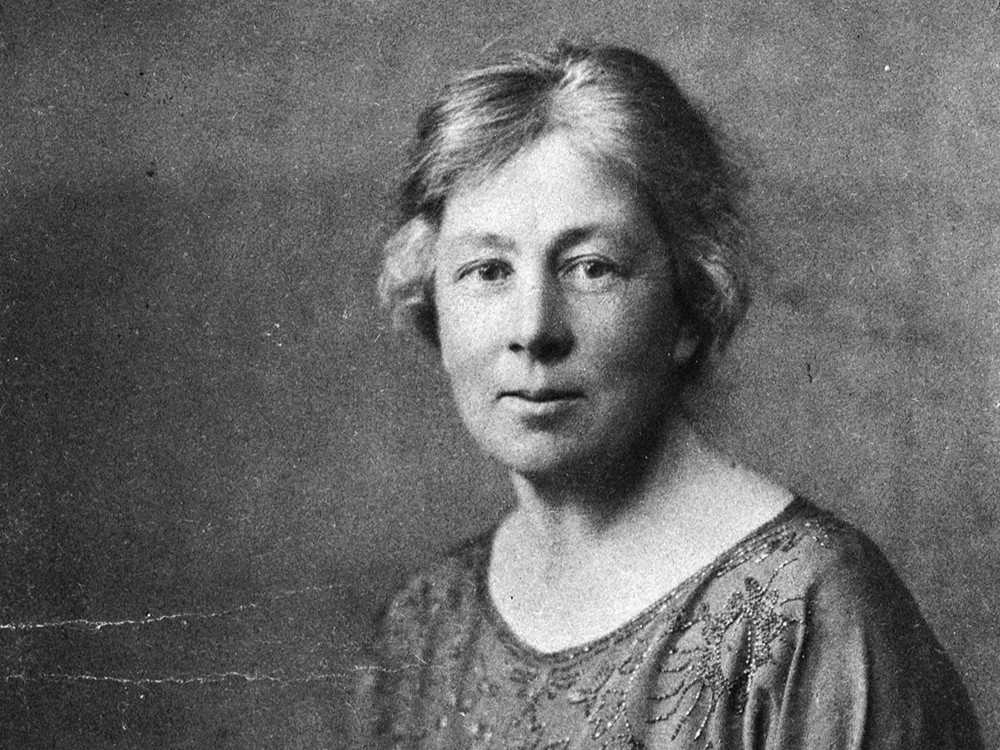
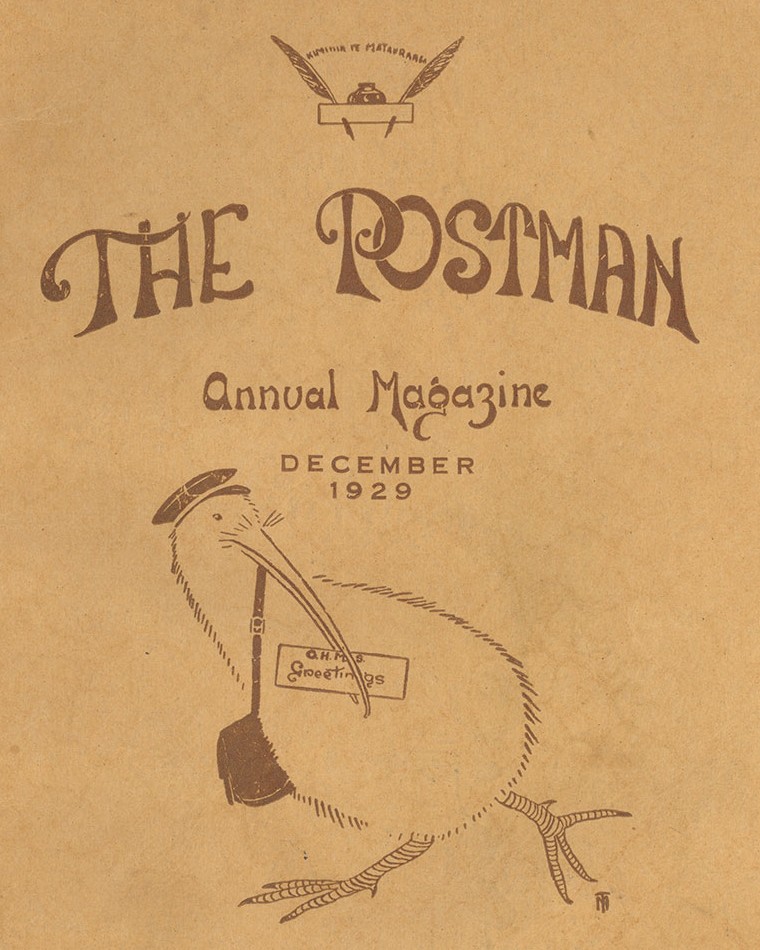
The school's first kaiako, Miss Janet Mackenzie, taught by handwriting each lesson for each ākonga. The Correspondence School created the first school crest with the motto Seek knowledge written in te reo Māori – Kimihia te Mātauranga. The school magazine The Postman launched in 1928, and radio lessons began in 1931, reaching homes across Aotearoa New Zealand.
Miss Janet Mackenzie
Te Kura’s first teacher.
The Postman
Our school magazine was in print for more than 70 years.
1940s: Overcoming challenges
Keeping learning going, no matter what.
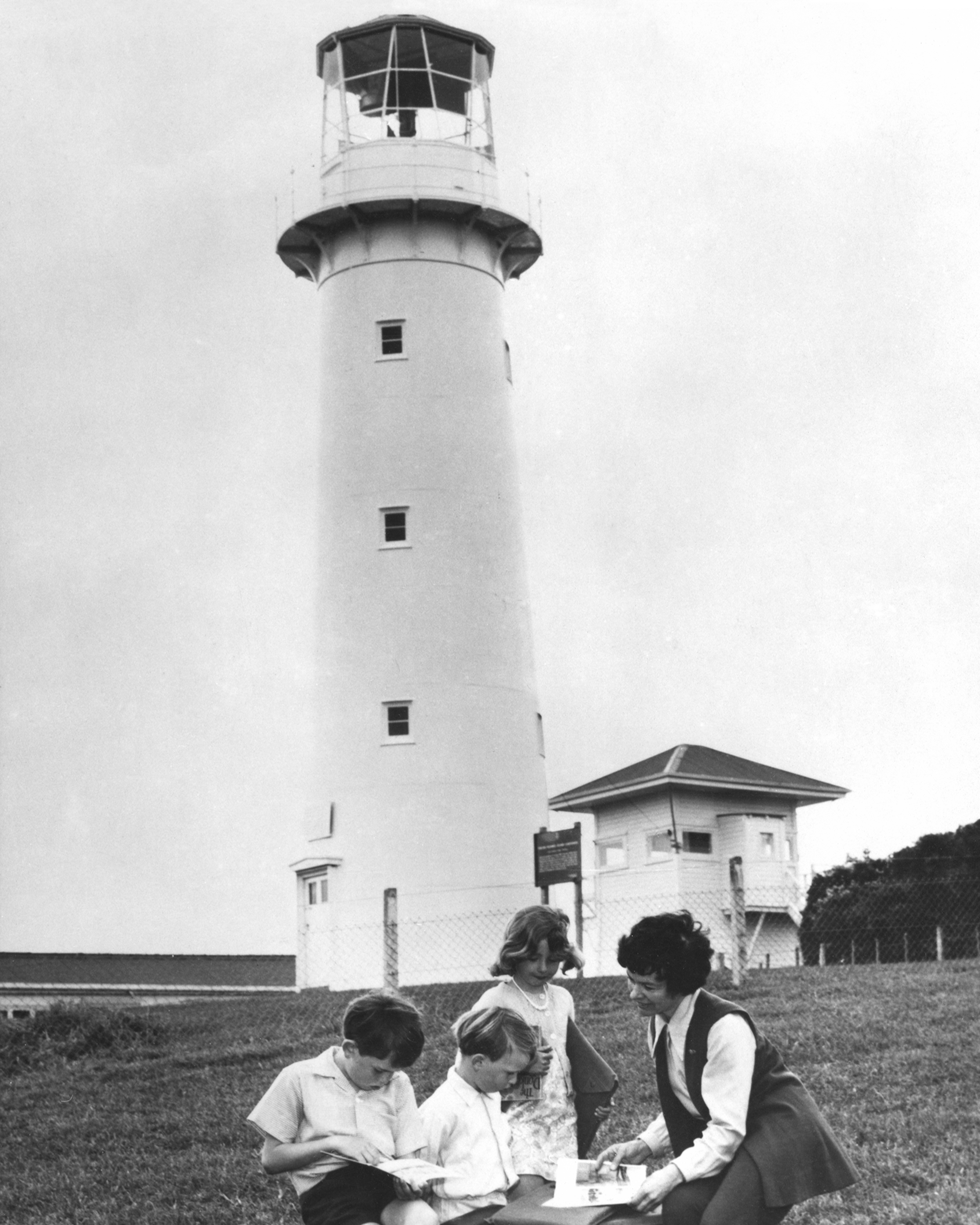
During World War II and the 1947-48 polio epidemic, Te Kura arranged learning for every child across Aotearoa New Zealand when schools had to close. The Visiting Teacher Scheme also began, sending kaiako to support ākonga in remote places. The school's first course in te reo Māori was launched in 1949.
A visiting teacher
With ākonga at Tiritiri Lighthouse.
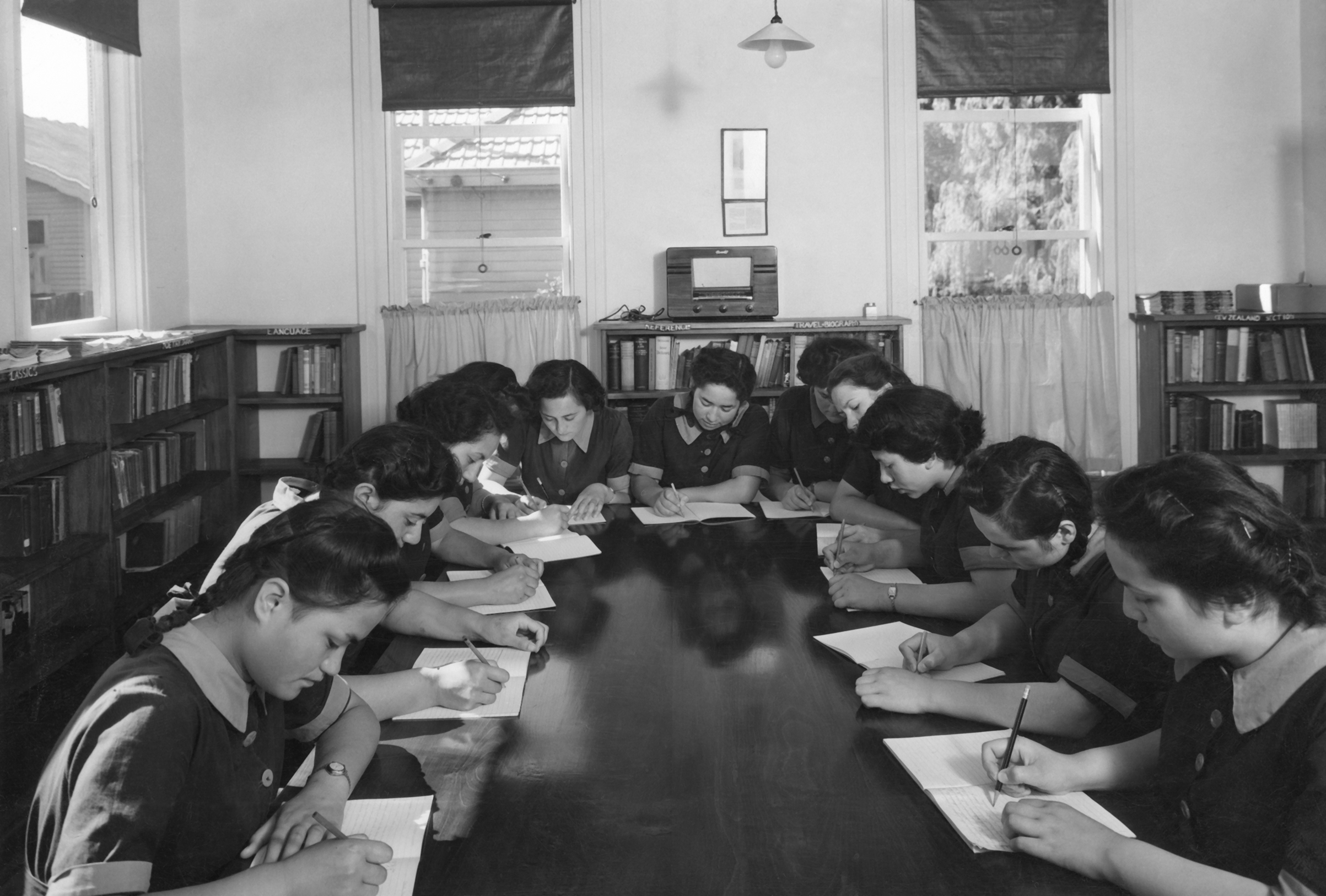
Ākonga from Te Waipounamu College
Listening to the broadcast of a Māori language lesson.
1950s: Prosperity
A school for every learner.
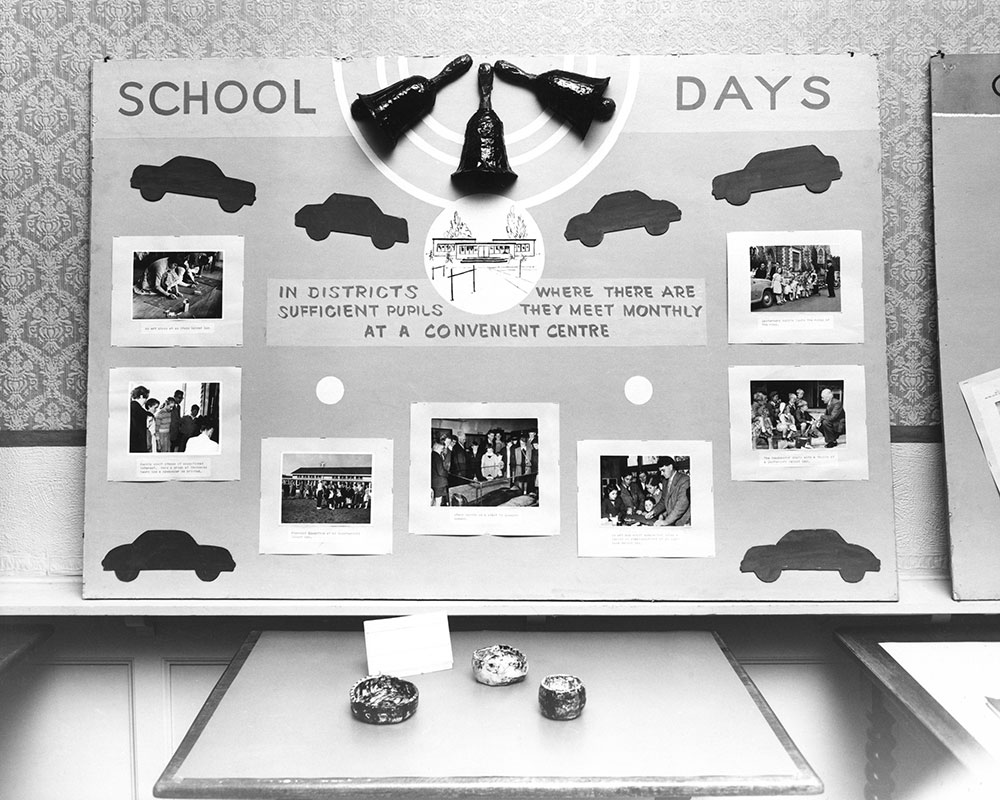
Te Kura annual rolls hit 5,000 ākonga, supported by 180 kaimahi. Principal Eric Le Petit grew the visiting teacher network, with School Days becoming popular events for ākonga and kaiako to connect face-to-face. Te Kura became a trusted place for quality learning.
School Days
Ākonga looked forward to monthly School Days.
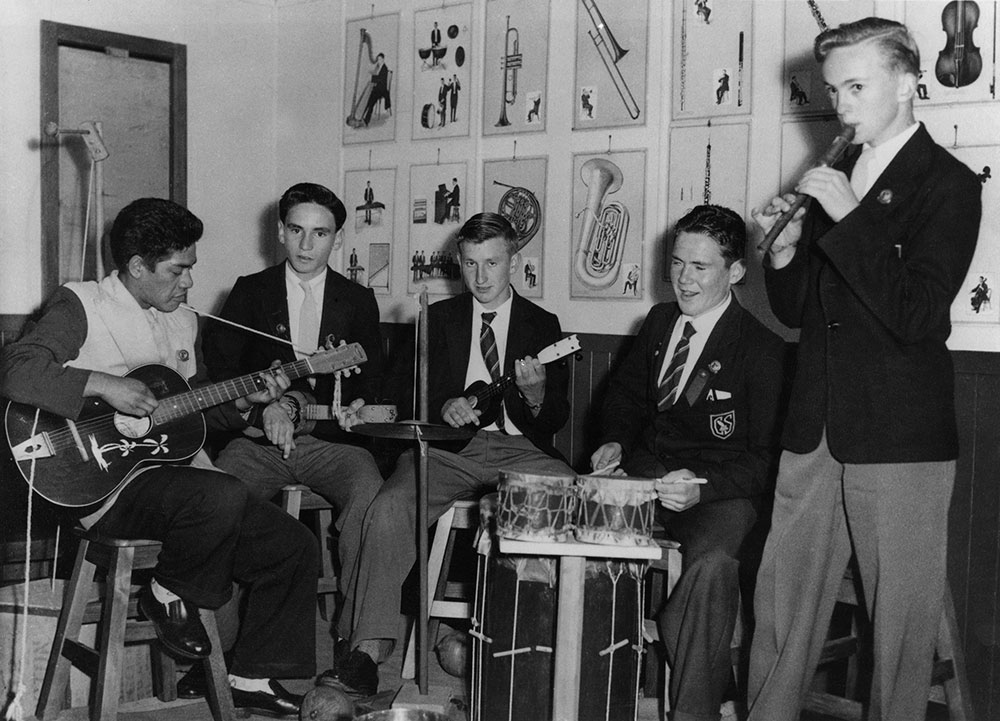
Performing arts
A Skiffle Group performance.
1960s: Supporting success
Helping learners aim higher.
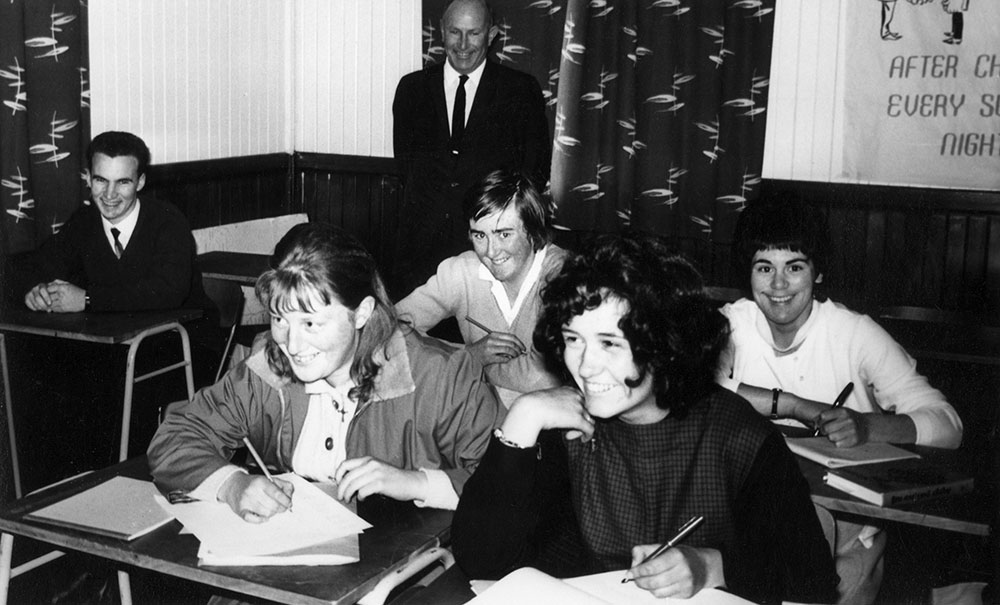
Study Weeks were introduced to support ākonga with their School Certificate exams. Te Kura's support for learners with special education needs was praised by the 1960 Royal Commission.
Study Week
Ākonga during Study Week.
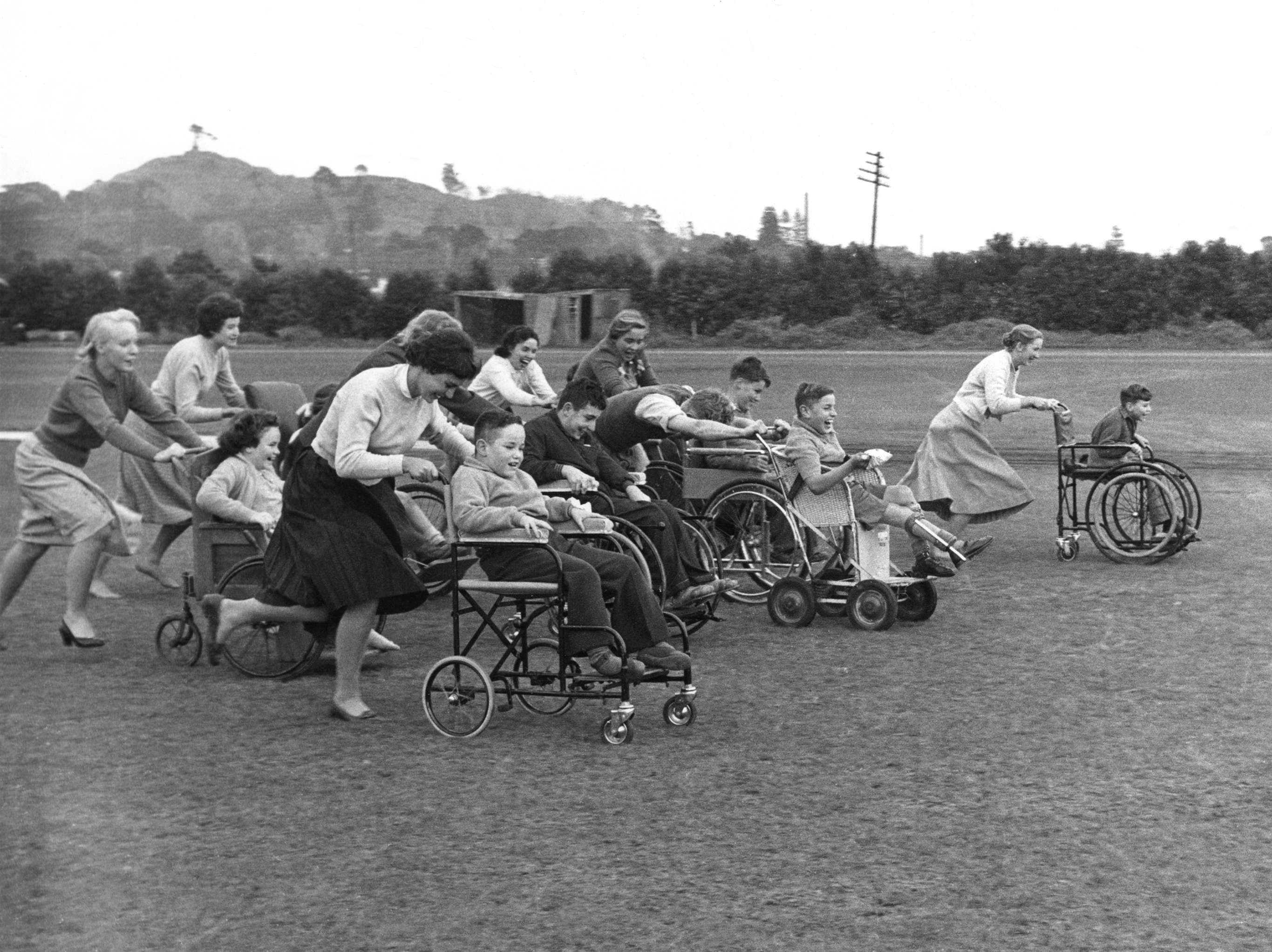
Celebrating community
A race at the Una Carter Remuera Children's Home.
1970s: New directions
First steps and fresh starts.
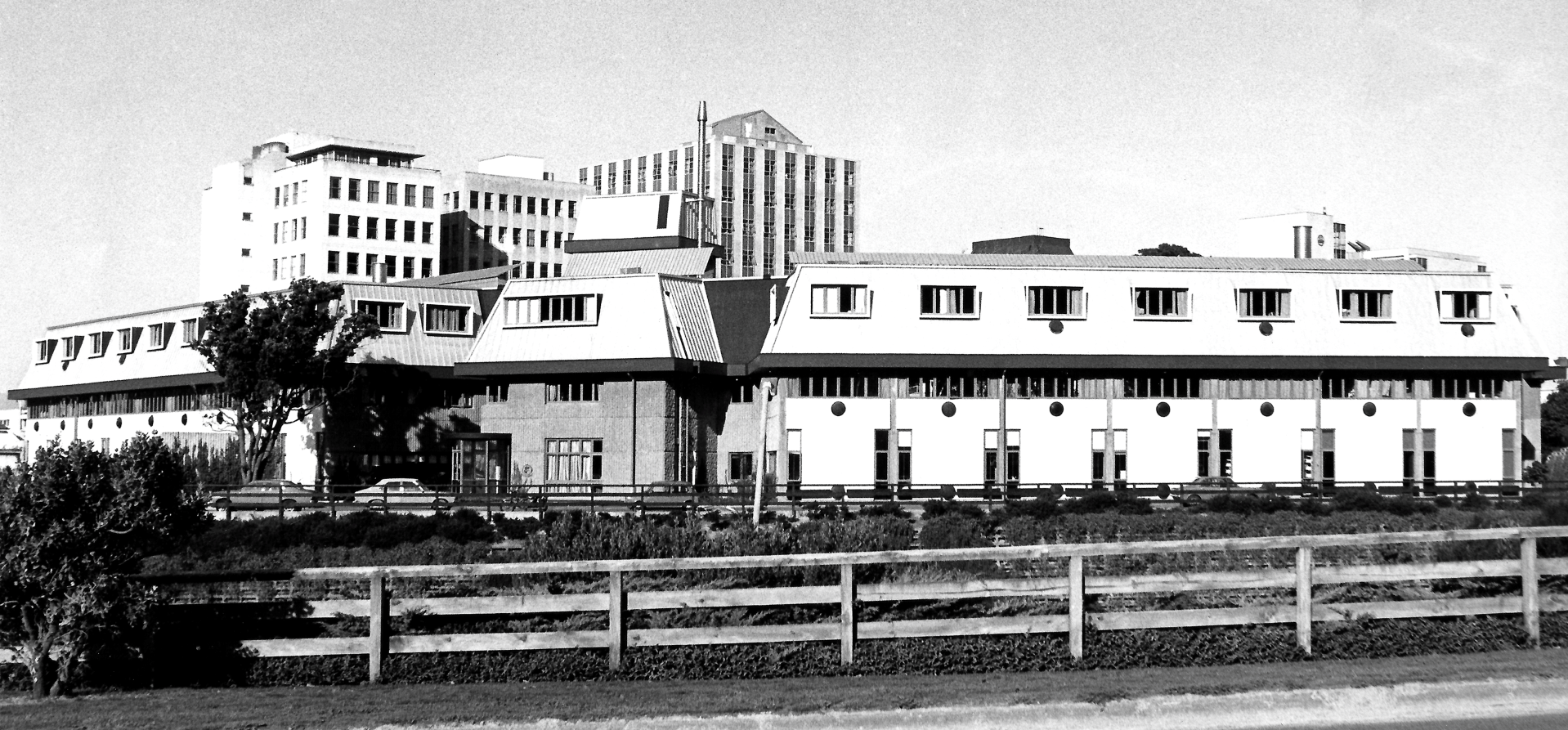
Te Kura supported adults and young people needing a second chance, and continued to support whānau in remote areas by setting up units at local schools. Te Kura's Early Childhood programme started in 1976. A permanent home for Te Kura opened at 11 Portland Crescent, Wellington.
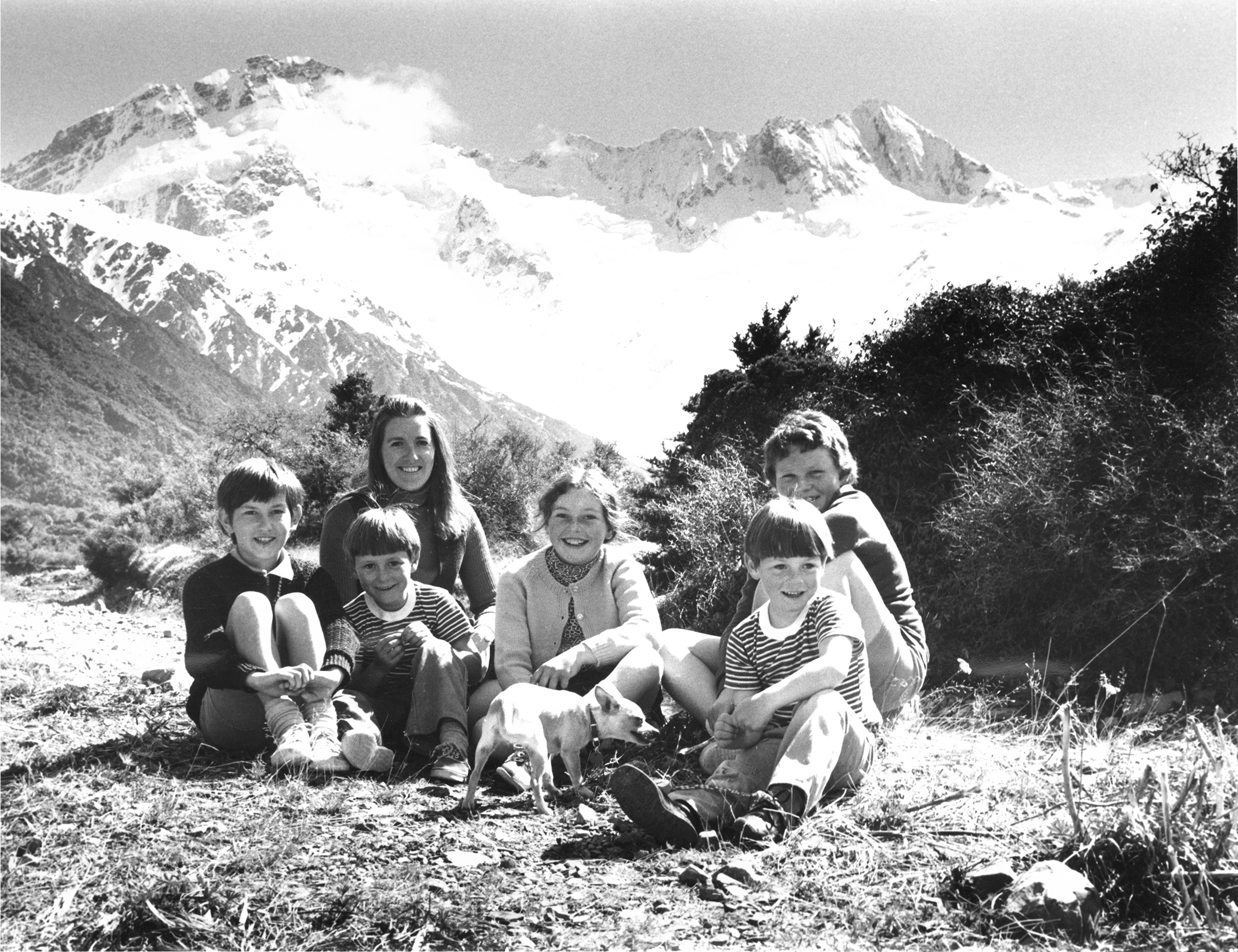
Working together
Ākonga gathered at Mount Cook School.
The Portland Crescent office
Still Te Kura's home today!
1980s: Shifting tides
Te reo Māori takes its place.
Te reo Māori became a strong part of the curriculum. In 1989, a Māori Language Department was set up. With 19,000 ākonga on the roll, whānau often chose Te Kura when face-to-face schooling didn't work for their tamariki.
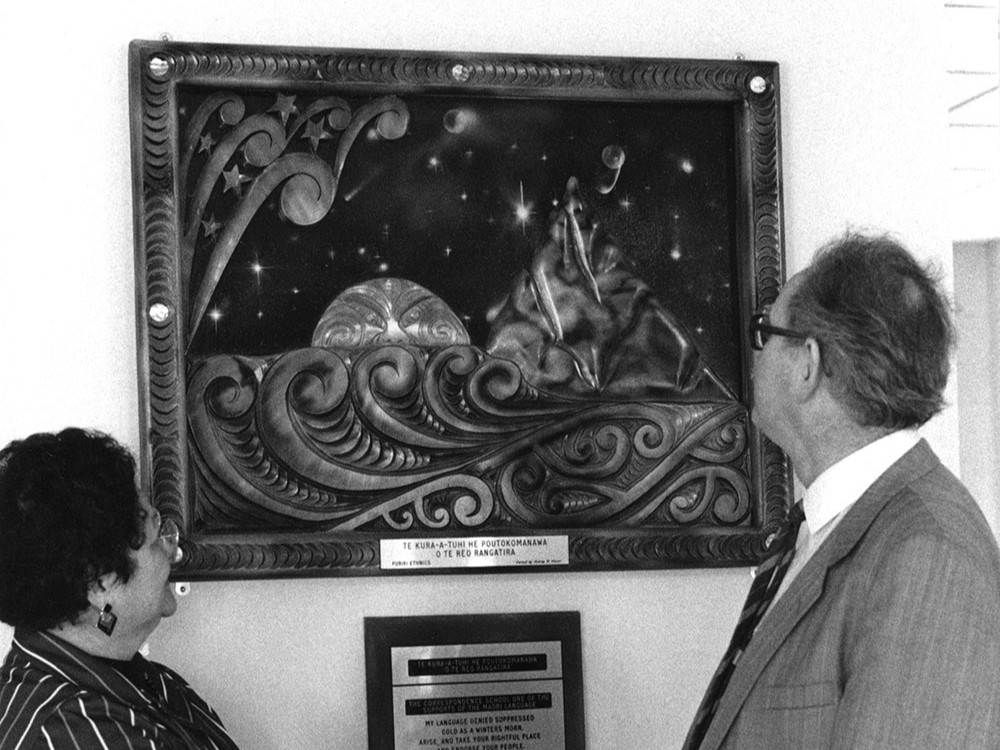
Celebrating te reo Māori
Te Kura has committed to supporting the revitalisation of te reo Māori.
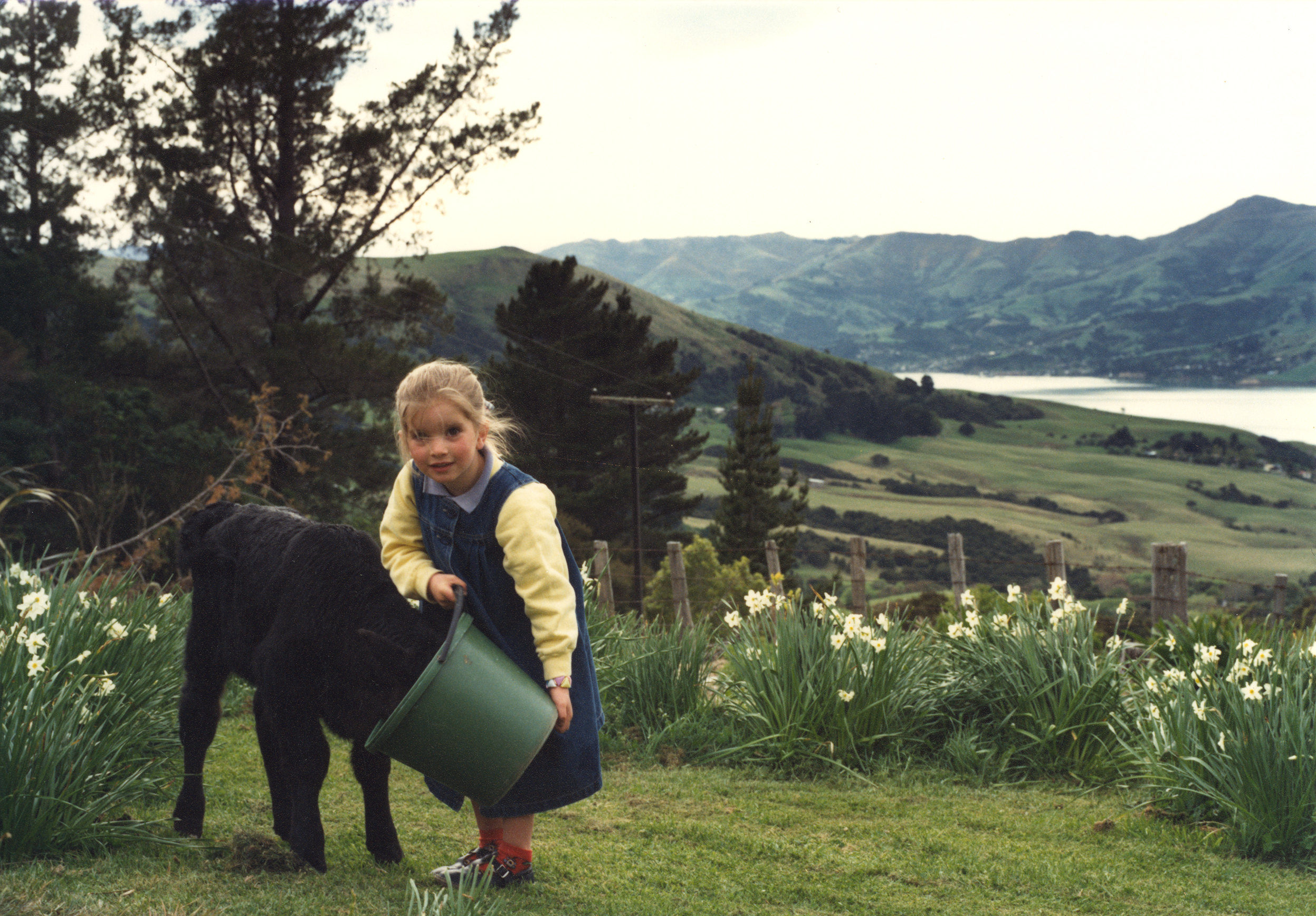
Authentic learning
Te Kura has continually supported learning outside the classroom.
1990s: All change
Learning for life, at any age.
Now self-governing, Te Kura supported enrolments from ākonga aged 3 to 90. ICT systems were introduced, but not without challenges. Despite reviews and cutbacks, Te Kura continued serving ākonga who needed a place to learn.
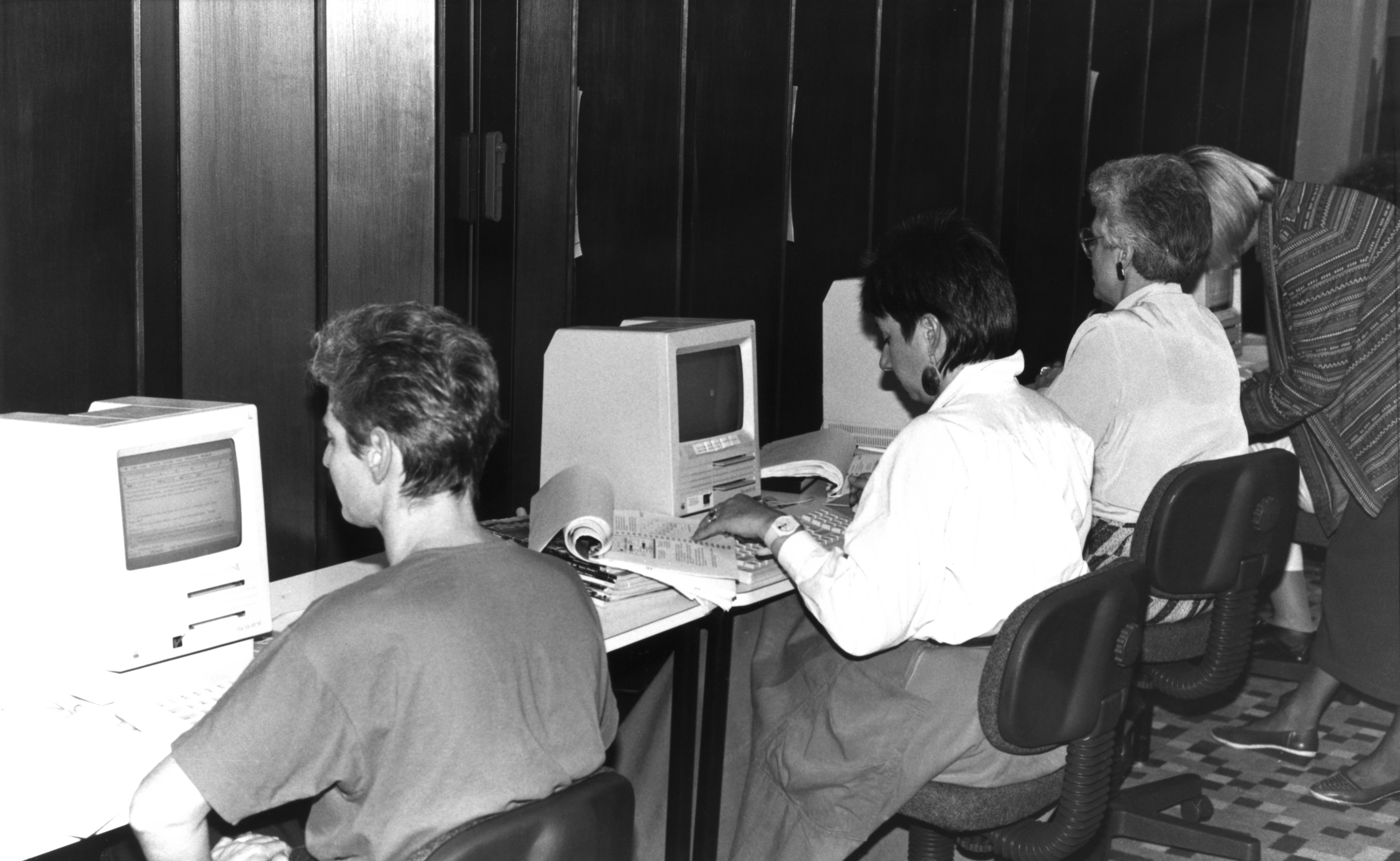
Embracing new technology
Te Kura kaimahi learned alongside ākonga.
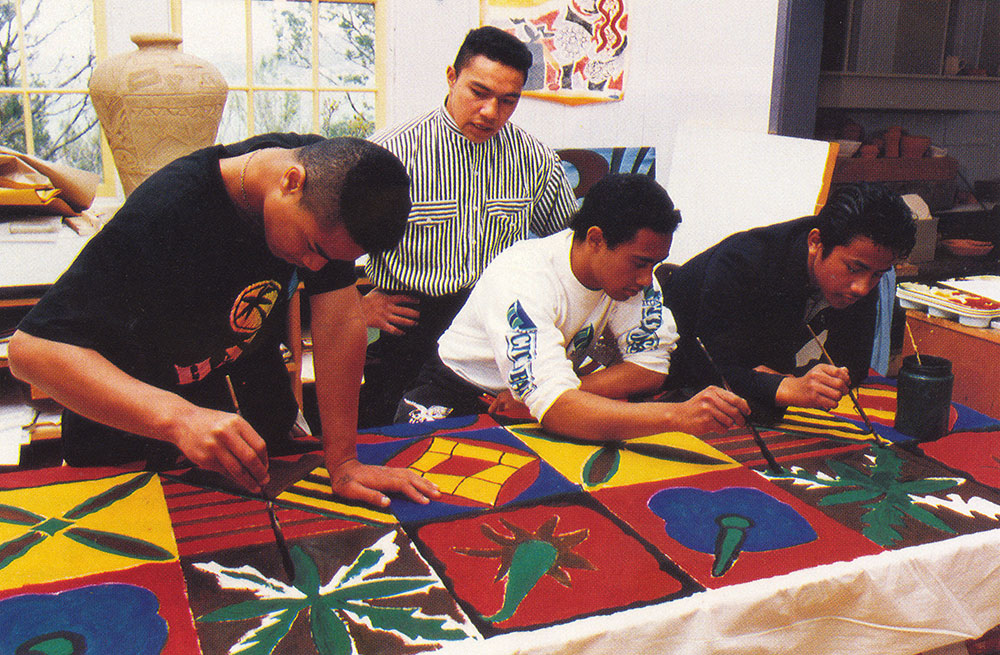
Building community connections
Ākonga at Wellington Activity Centre.
2000s: Survival and innovation
From paper to online – a new era begins.
Te Kura faced financial and governance struggles. A new learning model (Learning DnA) was introduced. From 2006, Chief Executive Mike Hollings drove rapid growth in online learning and te reo Māori pathways. The Correspondence School officially became Te Aho o Te Kura Pounamu (Te Kura) in 2009.
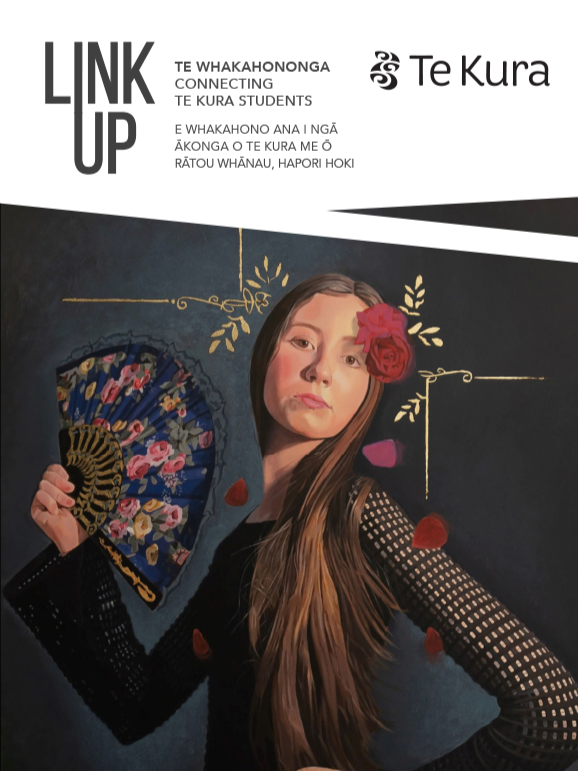
After more than 70 years in publication, The Postman school magazine ceased printing in 2002. News, stories and artwork by ākonga were later published in Link Up magazine before moving completely online in 2024.
Mike Hollings
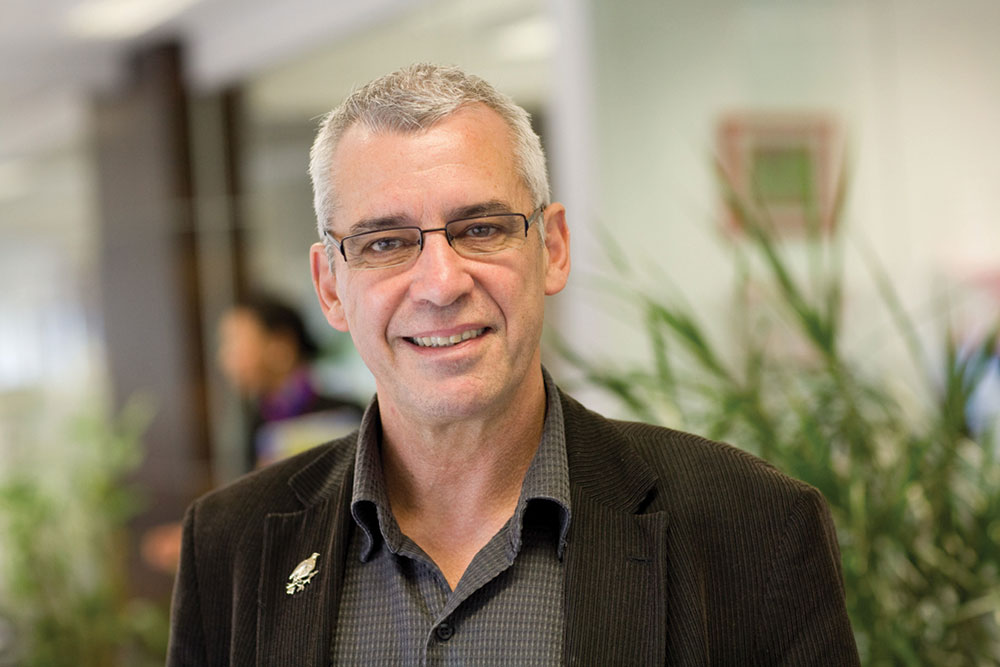
Link Up
Te Kura news and stories have gradually moved from print to online.
2010s: Regional growth
Learning in the community, not just the classroom.
Te Kura continued to set up regional tari and Huinga Ako across Aotearoa New Zealand, with the aim of strengthening connections with ākonga, their whānau and their local communities. Te Kura supported learners through the Canterbury earthquakes.
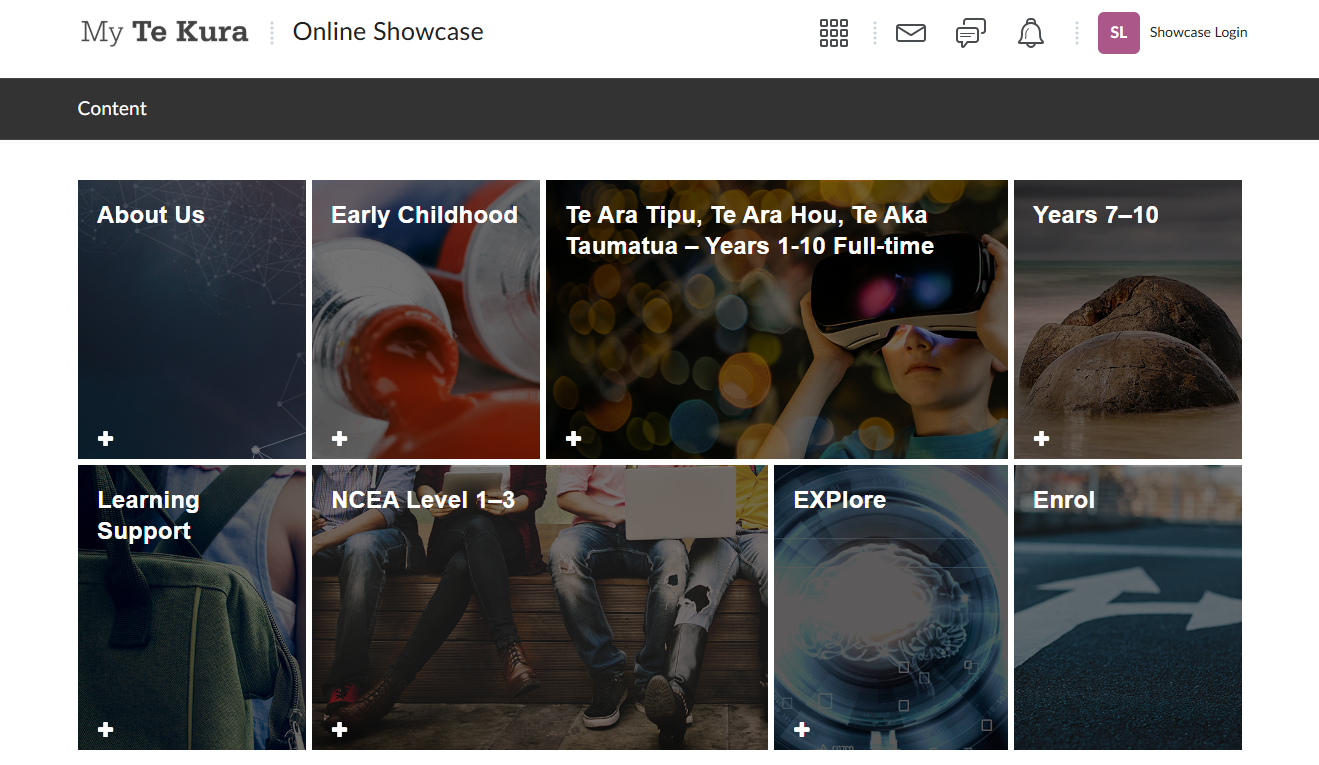
The Authentic Learning Pilot and Trades Academy programmes provided real-world opportunities for ākonga, while the first fully online courses were launched in My Te Kura, the school's online learning platform. Te Kura Summer School started in 2013, a popular option for ākonga needing a few extra NCEA credits.
Keep Moving
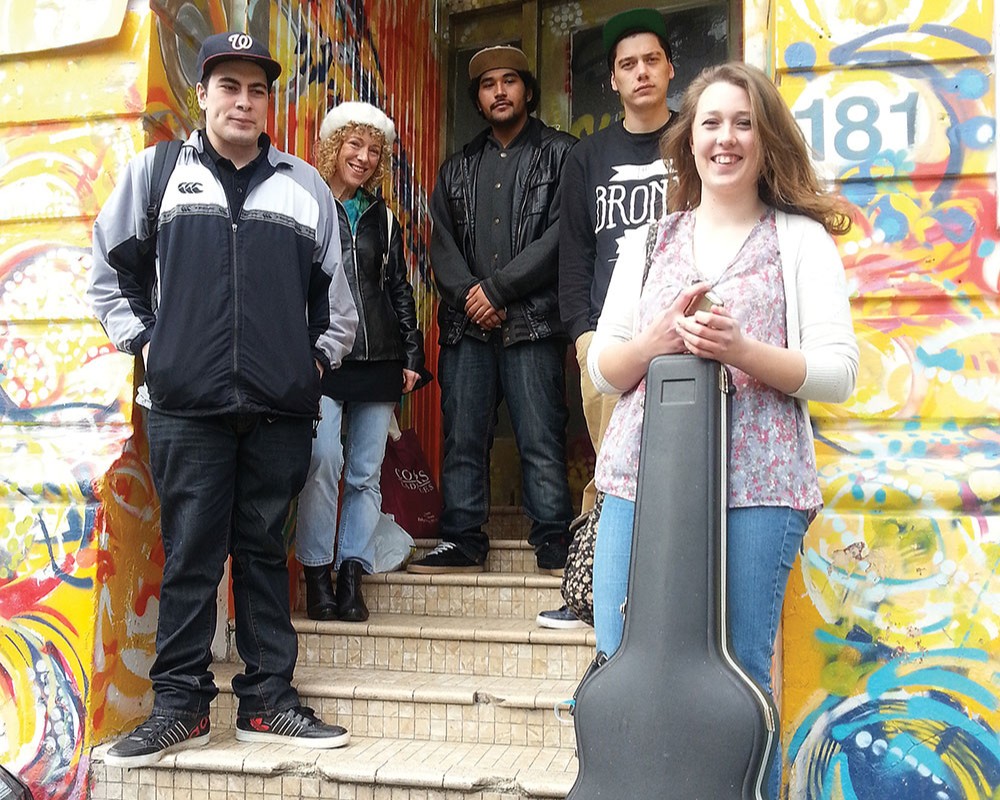
A collaborative music project recorded by ākonga across the motu.
My Te Kura
Te Kura's online learning platform.
2020s: Today's frontline
Meeting learners where they are.
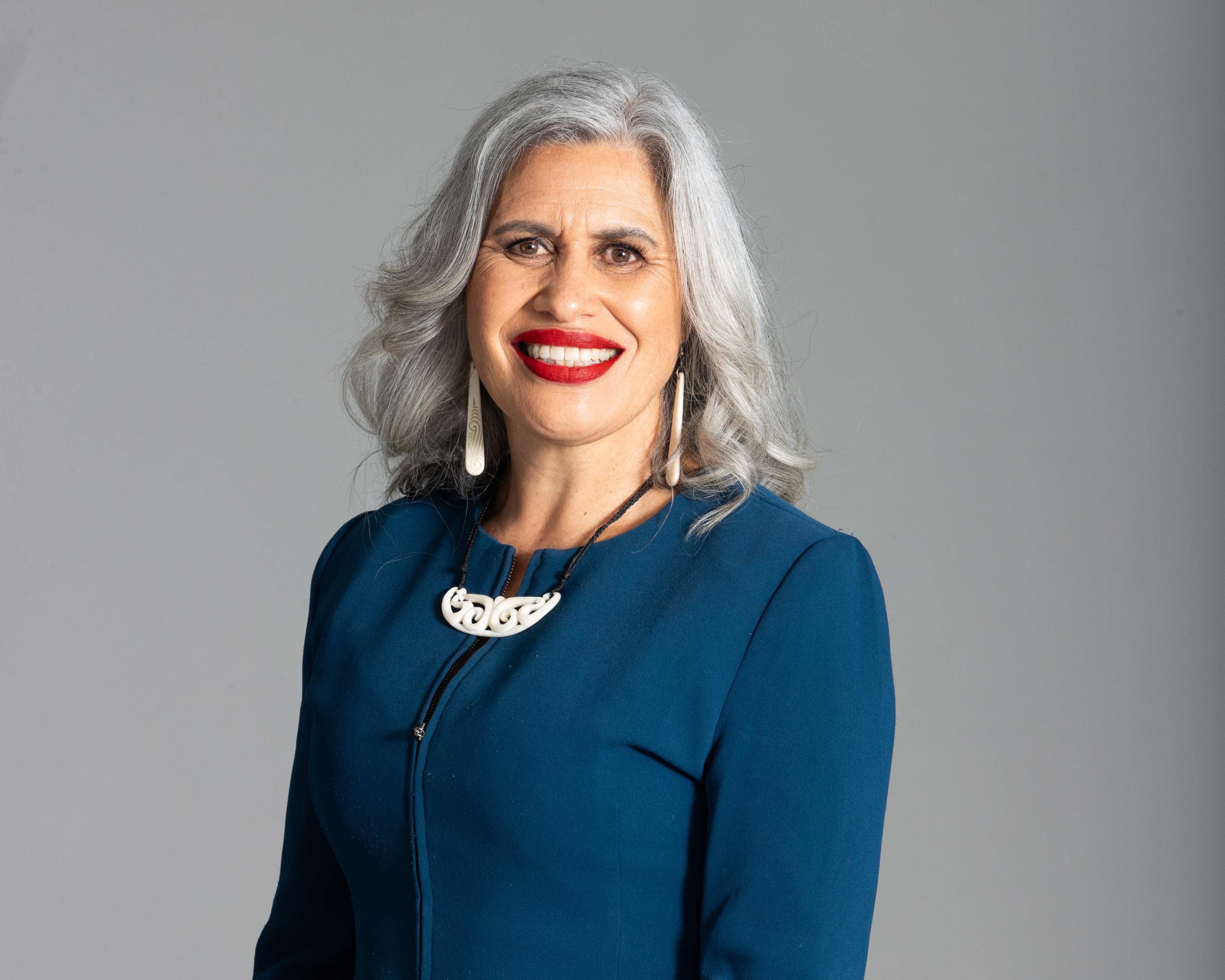
Partnering with the Ministry of Education, Te Kura supported many schools and ākonga with online learning during the COVID-19 pandemic. Te Ara Pounamu was introduced as Te Kura's local curriculum in 2021, with the He Whai Taumaru Leaving to Learn programme supporting ākonga to build community connections and explore career options. In 2023, Te Rina Leonard was appointed as Chief Executive.
Te Kura is now an option for thousands of ākonga at risk of disengaging from their education. An Education Review Office (ERO) review from 2021 showed that the education sector relies on Te Kura more than ever. As Professor John Morris noted in 2023: 'The frontline is now in towns and cities.'
Te Rina Leonard
Tumu Whakarae | Chief Executive of Te Aho o Te Kura Pounamu.
Te Kura ākonga today
Learning can happen anywhere, anytime.