At just 13, Mosese Inoke is already showing that communication takes many forms. A Te Kura student with Tongan heritage, Mosese was born in Aotearoa and lives in South Auckland with his parents and older sister. Mosese is autistic and communicates non-verbally, but his voice shines powerfully through his art.
Mosese’s superpower is his ability to see and feel the world deeply, then translate that into drawings that speak volumes. He draws places he’s visited, characters he loves, and moments that matter. His fascination with murals and sculptures often leads his parents on spontaneous road trips, guided by Mosese’s own Google Maps research – just to see the art in real life.
“He’ll find it online, show me where it is, and we’ll go,” Mum Katie says. “He’s happiest when he’s surrounded by creativity.”
One of Mosese’s most touching pieces was inspired by his uncle George (Mum’s younger brother), who recently moved to Australia but returned home for a visit.
Mosese and his uncle George
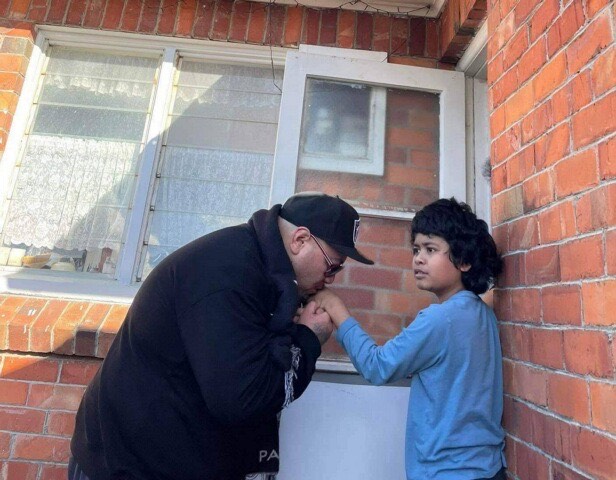
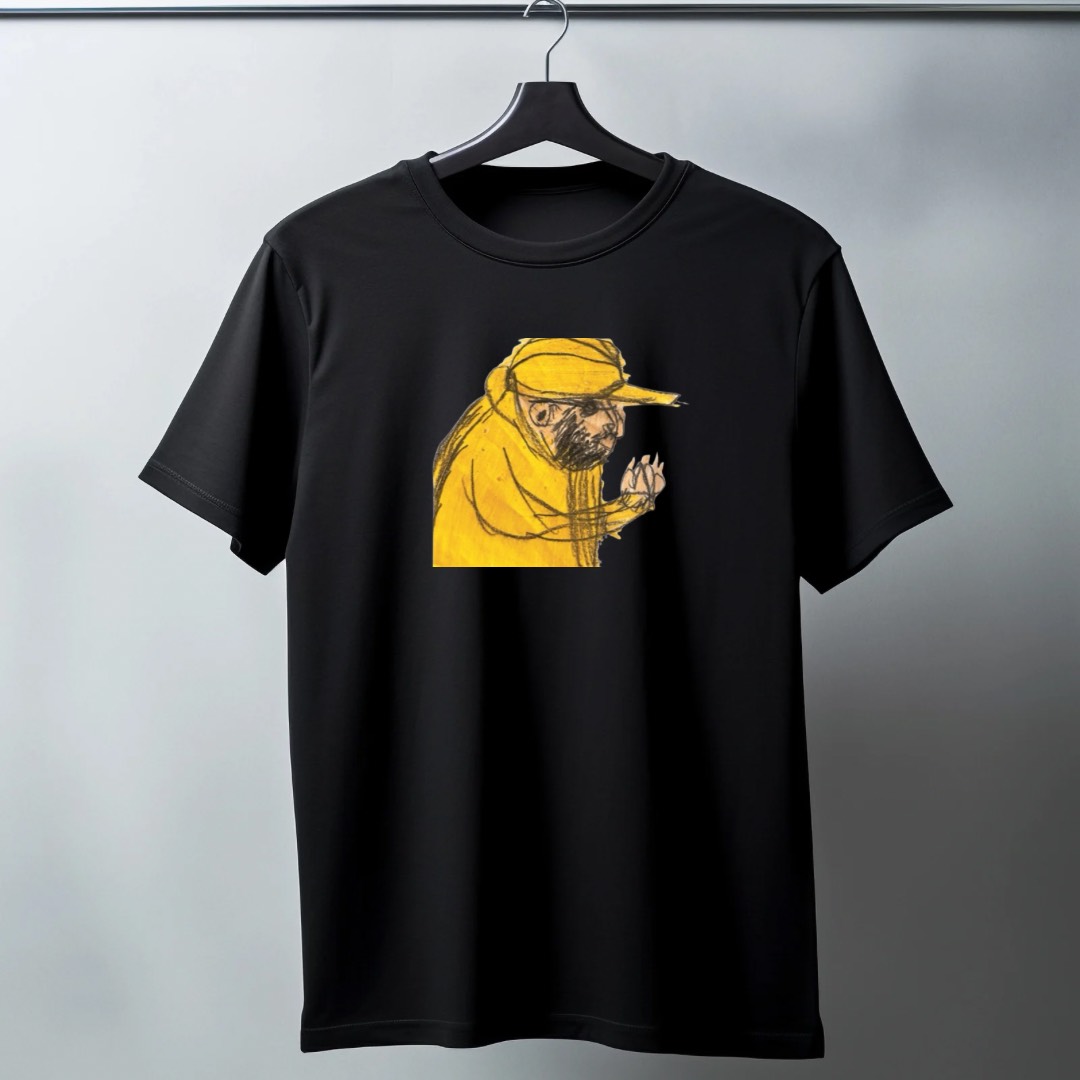
Mosese drew a picture of his uncle kissing his hand, a quiet, powerful way of saying “I miss you” and “I love you.” Though Uncle George is known for being loud and playful, he was deeply moved by the drawing.
“He doesn’t show his feelings much,” Katie shares, “but that moment said everything.”
Mosese’s creativity doesn’t stop at drawing. He’s a master Lego builder, often redesigning sets in his own style without instructions.
“He got a Lego set young and prefers building his own version over the one on the box,”
Katie laughs. “Creatives don’t like to be boxed in.”
Mosese is a researcher in his own right, self-taught through YouTube and Google. His natural curiosity and love of learning have even led him to teach his mum, Kate, and her husband how to use technology, a reflection of his quiet leadership and hidden talents.
One example of this curiosity is his fascination with the song Beyond the Sea from Finding Nemo, sung by Robbie Williams. Not content with just enjoying the tune, Mosese explored its origins and discovered it was originally composed by French artist Charles Trenet as La Mer, with English lyrics later added by Jack Lawrence. The most famous version was recorded by Bobby Darin in 1959, the very one that inspired the version Mosese loves today.
Last term, Mosese was recognised with the Te Kura Influence award, a celebration of his creativity and impact. Not long after, his artistic journey reached a new milestone when he entered the national E Tū Art Competition. His heartfelt drawing of his uncle earned him second place and a $300 prize. Katie was in disbelief when she saw the announcement video on Facebook, she had to watch it twice before the news truly sank in.
“I had to watch it again. I was nearly in tears. We were so humbled.”
For Katie, the win is more than just recognition, it’s a step toward her dream for Mosese.
“I wish for acceptance,” she says. “That he can live his life, be independent, and be part of a community that sees his superpowers.”
Mosese’s story is a reminder that communication isn’t always verbal, sometimes, it’s drawn, built, sung, or felt. And in Mosese’s case, it’s extraordinary.
Mosese's artwork printed on a t-shirt